
Patterns of Progress: Fashioning a Generational Blend at Work
What Gen Z fashion, cognitive science, and Hushai can teach us about the value of age diversity

When it comes to harnessing the strengths of multiple generations in the workplace, we are inundated with a stream of leadership advice on platforms like Apple News and LinkedIn. Stereotypes and generalizations often lead to frustration, exemplified by actor Jodie Foster's critique of some Gen Z workers as “really annoying.” Yet, fresh perspectives can be invigorating. This is evident in fashion, where younger generations add their own twist to classic styles, sometimes clashing with the originators of these trends.
Gen Z, emerging from the pandemic, created a stir with their daring fashion combinations, as highlighted in the Washington Post’s article “The Chaos Theory of Gen Z Fashion.” They introduced an eclectic, social media-inspired aesthetic, making a dramatic impact compared to previous generations. Anne Hathaway called it “dopamine dressing,” praising the colorful and energizing style.
Fashion is just one area where generational novelty shows up. Arthur Brooks, in his book “From Strength to Strength : Finding Success, Happiness and Deep Purpose in the Second Half of Life,” discusses how the brain's development affects how we engage in our work. He cites research that in our twenties and thirties, we exhibit fluid intelligence or “raw smarts” — abilities in novel reasoning and problem solving. This phase often yields innovation and creativity in careers.
Over time, this shifts to crystallized intelligence, which relies on accumulated knowledge and experience. He writes,
“Crystallized intelligence, relying as it does on a stock of knowledge, tends to increase with age through one’s forties, fifties, and sixties—and does not diminish until quite late in life, if at all.”
Nonetheless, the transition from reliance on fluid to crystallized intelligence can be challenging and lead to frustration. But if we are able to adapt, it can unlock new integrative thinking capabilities. Brooks suggests making the most of this by focusing on roles where experience is valued, such as leadership and mentoring.
The pandemic highlighted this dynamic in investment firms. Experienced traders provided guidance to younger, more panicked traders, using their deep knowledge to navigate market volatility. Inter-generational collaboration enabled them to navigate the turbulence.
A historical example is King David’s advisor, Hushai, during Absalom’s insurrection (2 Samuel 15:32-37; 2 Samuel 16:15-23; 2 Samuel 17:1-16). Hushai, unable to keep up with the army due to his advanced age, became a spy in Absalom’s inner circle, using his wisdom to help David maintain power. Rather than cast Hushai aside, David made the most of his significant abilities to build a winning strategy.
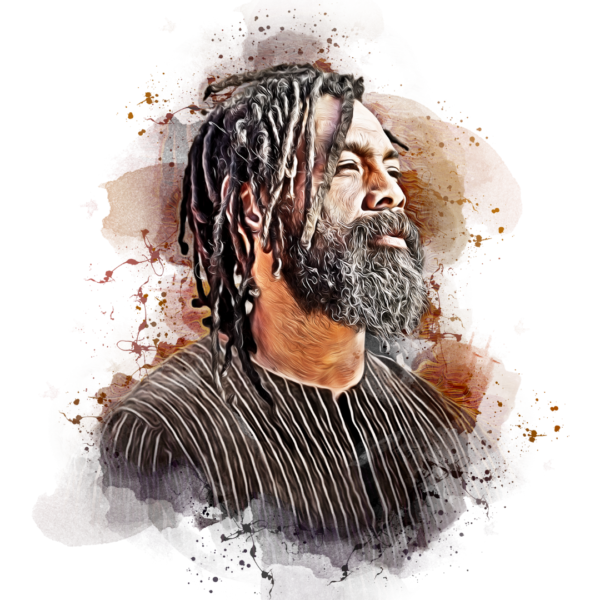
This underscores the importance of age-diverse teams in the workplace. Younger members might bring innovative ideas and energy, while older members contribute experience and perspective. This combination can lead to more effective solutions, even if we never agree on the “right way” to wear jeans. It’s crucial to value each season of life, recognizing that everyone, regardless of age, has something significant to contribute.
I’d love to hear how you’ve seen intergenerational dynamics play out. How have you benefitted from the perspective of someone in a different generation? How have others made you feel included despite your age difference? Where have you found it challenging? Where do you have opportunities to engage a more age-diverse team?